What Does a Personal Stylist Actually Do? A Glamhive Founder's Perspective
You can save hundreds of outfit photos and still have zero clue what to wear. That’s what a personal stylist brings to the table when great personal taste falls short. To put it simply, stylists translate the looks you admire into a wardrobe that works for your real life, not an imagined one. What does a personal stylist do? A personal stylist helps you develop a wardrobe that fits your lifestyle, body, budget, and personal taste. Their work can include understanding your style goals, editing your existing closet, creating a mood board, researching and sourcing clothing, coordinating complete outfits, and helping you make better purchasing decisions. Personal styling can happen virtually or in person.
From the Outside In: What Glamhive Founder Stephanie Sprangers Knows About Personal Styling
Before Sprangers built a business around personal styling, she wasn’t a fashion insider. Her career was in ad tech and sales. “That’s what I really like to do. So I would rather spend an hour working, or an hour working out, or an hour reading a book than I would shopping,” she says.
But she understood the appeal of looking pulled together. "I always see people on Instagram or people in the world when I’m out and about that seem just all pulled together and very stylish, and I always love that, but I didn’t really ever want to slow down to figure out how to do that for myself,” she says.
A great personal stylist helps you look pulled together without losing momentum. Sprangers has experienced the transformation herself and, as the founder of Glamhive, has seen how stylists help clients find the right fit.
So what does a personal stylist actually do, and when is hiring one worth it? Get the answers from a founder.
A Personal Stylist Starts With You, Not The Clothes
A great wardrobe reflects the person wearing it. So don’t expect a stylist to copy and paste an influencer’s look straight into your closet. A great styling consultation will get to the bottom of your lifestyle, taste, fit concerns, budget, favorite brands, and the little details you might not anticipate.
That means asking questions that go beyond aesthetics. Sprangers recalls some common ones stylists ask: “What part of your body are you self-conscious of that you don’t want to show off? What are parts that you do want to show off?” Stylists also want to know where clients like to shop: “Do you want to stay with tried-and-true brands, or do you want to discover new brands?”
Two people can love the same look and have completely different priorities. Like budget. “There are some people that will want to buy really expensive handbags, but they don’t want to spend anything for a T-shirt, or vice versa," she says.
Those small details shape the entire process. “So the stylist is really doing everything bespoke to that person, all within guidelines and framework of how to put together a wardrobe that all works together for every occasion in your life," says Stephanie.
The result is a wardrobe that works for your life, not an influencer’s (unless you are one). Wardrobe styling is always personal, but it’s also strategic.

Glamhive stylist Karima El-Hakkaoui
The Mood Board Sets the Direction
Before anyone starts shopping, you and your stylist need to be looking at the same roadmap. That’s where the mood board comes in: think of it as a visual guide that turns your inspiration into shared direction.
“Really, that mood board becomes a North Star so that everyone knows the kind of style that you’re wanting to achieve,” says Stephanie.
Saying you like polished, effortless, or edgy is one thing. Agreeing on what those words actually look like is another. Your idea of effortless might mean vintage denim and a worn-in tee. Your stylist’s might mean tailored trousers and a cashmere sweater. Neither is wrong, but you need to get on the same page.
The process starts with a conversation. “So there’s a kickoff call. Maybe that’s an hour. Then the stylist is going to put a mood board together without you. She or he will present it to you so that you can sign off on it,” Stephanie says.
The exact process varies by stylist and personal styling service. A comprehensive wardrobe transformation may include a detailed consultation, mood board, closet edit, shopping, and fittings, while a shorter styling session may focus on a specific wardrobe challenge.
From Inspiration to Outfits You'll Actually Wear
You know what looks good. The challenge is turning that inspiration into clothes that work for your own life.
“When I was working with a stylist recently, I sent her photos of styles I liked, and she had pointed out that it was all runway looks,” says Stephanie.
The problem? Runway inspiration doesn't always translate to everyday life. Stephanie needed clothes for working from home, hopping on Zoom, and running errands, but her wardrobe wasn't up to the task.
“I realized I did not own one pair of jeans. I really didn’t have any layering pieces. And so therefore, it was either wearing a blazer and a blouse, or I would literally have nothing to wear.”
A stylist helps close the gap between the look on your Pinterest board and the life you lead every day. That also means knowing when a piece that looks great on you isn’t right for your wardrobe.
“I went to a top women’s department store, and before I knew it, the salesperson had me trying on a Thom Browne suit and telling me how great it looked on me. It looked good on me. That part was true, but it did not make sense for any part of my style or my wardrobe,” she says.
A great stylist knows that looking good in a piece doesn’t mean it earns a place in your closet.
What Does a Personal Stylist Do Behind the Scenes?

Glamhive stylist Franzy Staedter
The shopping links are just the beginning, and it's not always pretty. Behind every recommendation are hours of research, comparison, and decisions you never see.
“They’re going to pull a ton of links. We all know from online shopping, it is a total pain. It is painful, and it’s not fun, and they’re spending hours and hours and hours doing it,” says Stephanie.
Finding options is one thing; knowing which ones are worth your time is another. Stylists weigh details like color, cut, fabric, sheen, and pattern, while considering how each item fits into your existing wardrobe.
And every choice has to fit into the bigger picture. A picture that Sprangers knows well after working with wardrobe stylists for so many years:
Why Stylists Think in Outfits, Not Individual Pieces
A blouse you don't love on its own might become your favorite piece once you see the complete outfit.
“I recently had an experience where I was working with a stylist to do a full makeover, and I would put one blouse on and I would say, I don’t like it,” Stephanie says.
Her stylist pushed her to look at the bigger picture: the pants, the shoes, the accessories, even the way the blouse was tucked or the sleeves were rolled.
“Now put on the belt. Now put on the handbag, and voila! All of a sudden everything looked great together," she says.
The lesson? A piece doesn't have to work on its own to earn its place in your wardrobe. Sometimes, it's the finishing touch that makes everything else click.
Virtual Styling: Expertise Beyond the Store
A personal stylist doesn’t need to be standing beside you in a fitting room to make a difference. Much of the work happens before you try anything on: understanding your lifestyle, narrowing down your aesthetic, researching pieces, and figuring out how everything fits together.
Virtual styling follows that same process. You start with an intake and a conversation, exchange inspiration, and review a mood board to get aligned on the direction. From there, your stylist curates recommendations you can try at home and offers feedback over video.
There’s an advantage to working this way, too. You can see how pieces fit into your existing wardrobe, try different combinations in your own space, and make decisions without the pressure of a sales floor.
The process of virtual vs in-person styling is ultimately very similar. Both options involve a lot of stylist prep work, they just differ on timing and location.

Matching Is About Chemistry as Well as Credentials
Experience matters, but nothing matches the feeling that somebody truly gets you.
“What I’ve realized, oddly, is that people aren’t necessarily just looking for the most experienced stylist. They’re looking for a stylist that they can connect with," she says.
So how do you find that connection? It starts with understanding how someone sees themselves and how they want to show up in the world. For Stephanie, that means looking beyond broad aesthetic descriptions and getting specific.
“Broad terms like preppy or polished mean different things to different people,” she says. “If I can see one photo or a couple of photos of the kind of style that someone is drawn to, I can always narrow it down to three selections.”
Use your inspiration photos to start a conversation, then ask how the stylist approaches your budget, lifestyle, fit concerns, and wardrobe goals. The right person won’t just recreate a look. They’ll help you understand what appeals to you about it and translate that into a style that feels like your own.
Ready to find your stylist? Glamhive's stylists are personally vetted, with matching based on the client's goals, aesthetic, budget, and preferred way of working. Get matched with a personal stylist who understands your life.
“As I was building Glamhive, it was really important to me that every stylist that I would recommend to a client was someone that I would hire myself,” says Stephanie.
The Big Picture: How Will Personal Styling Pay Off?
You know the feeling of buying something you love, wearing it once, and then letting it collect dust in your closet? A personal stylist helps you break that cycle. Instead of shopping on impulse, you learn to build a wardrobe that works together, meets your needs, and makes getting dressed easier.
Sprangers compares impulse shopping to grabbing a Snickers bar when you’re hungry. It satisfies you in the moment, but the feeling doesn’t last.
“They get the dopamine hit, but they’re not satisfied,” she says.
The real satisfaction comes from making the most of what you own. “The dopamine hit should be putting together an outfit and having compliments every day,” Sprangers says.
That’s the payoff of hiring a personal stylist: building the wardrobe you love wearing, season after season.
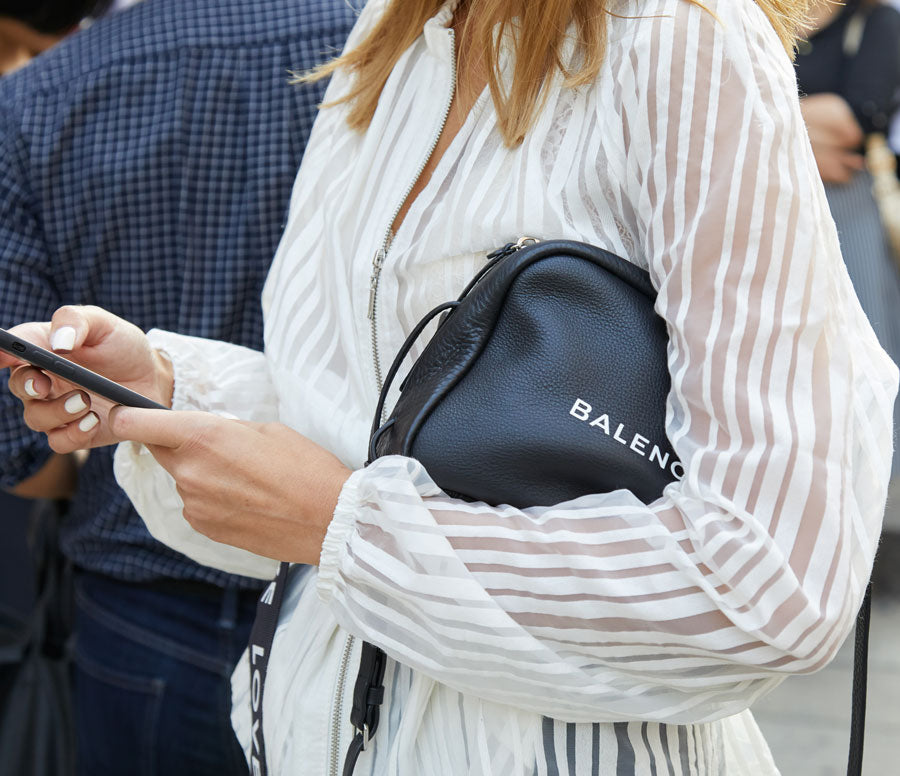
Main photo features Glamhive stylists Rebecca Klein and Martina Gordon.
About Stephanie Sprangers
Stephanie Sprangers is the founder and CEO of Glamhive, a personal styling platform connecting clients with professional stylists for virtual and in-person styling. Since founding Glamhive in 2015, she has worked closely with professional stylists and helped clients find experts suited to their personal style, lifestyle, and wardrobe goals.
Frequently Asked Questions Before Hiring A Personal Stylist
Is a personal stylist the same as a personal shopper?
Not exactly. Personal shopping typically focuses on helping someone find and purchase clothing. Personal styling can include shopping but takes a broader approach, including wardrobe planning, closet editing, outfit creation, and developing personal style. The two services often overlap.
Can a personal stylist work with clothes I already own?
Yes. Many personal stylists begin by reviewing your existing wardrobe, identifying what works, and finding new ways to combine pieces you already own. They may then recommend additions to fill specific gaps.
Do I need to work with a personal stylist in person?
No. Virtual personal styling allows clients to work with professional stylists remotely through video consultations, digital mood boards, online shopping recommendations, and feedback on outfits they try at home.