Personal Styling vs. Personal Shopping: What's the Difference?
Personal shopping is having a moment in luxury fashion. As the Financial Times recently reported in “The Big Business of Personal Shopping,” the business is booming. But while personal shopping and personal styling are often used interchangeably—much like silk vs. satin—they're not the same thing.
So, what’s the difference between a personal stylist and a personal shopper?
A personal shopper helps you find and purchase clothing. A personal stylist helps you build a wardrobe that works for your life. That might involve shopping, but it doesn’t have to. It also means understanding what you already own, researching the right pieces, and showing you how to put everything together.
The distinction comes down to one important thing: A personal stylist works for you, the client, not for the retailer or the brand.
Emily Noble Pashman, a Glamhive personal stylist based in New York, explains what goes into her work and what distinguishes independent personal styling from traditional personal shopping.
A Personal Stylist Understands You, Not Just the Merchandise
The difference between one great outfit and a wardrobe full of them is understanding the person behind wearing the clothes. The big picture? Before recommending that amazing blazer that just hit the store, a personal stylist considers how the client lives, what they already own, how clothes fit their body, and what they want their wardrobe to accomplish.
A personal shopper will likely be extremely knowledgeable about the product, the designer, or the collection. And sometimes, that’s a real need.
For Pashman, a beautiful collection doesn't always translate into the right wardrobe. A brand might have a compelling aesthetic, but its sizing, proportions, or individual pieces may not work for a particular client.
"I can love a collection without believing it belongs in a particular client’s wardrobe," she says. "Something can be beautiful and still be wrong for the woman I’m dressing."
An independent stylist looks beyond one-time purchases to consider the client’s overall needs:
- Lifestyle: What does the client do day to day? Does she need workwear, casual outfits, travel essentials, or special-event looks?
- Body and fit: How does clothing fit, drape, and work with her proportions?
- Personal style: What does she naturally gravitate toward, and what would she like to explore?
- Existing wardrobe: What does she already own, and what can be styled in new ways?
- Budget: Where is it worth investing, and where can she save?
- Personal goals: How does she want to present herself in different settings?
A little bit of fashion psychology is another part of that equation. “Honest advice and validation remove doubt and help build confidence," Pashman says. That relationship can extend beyond scheduled sessions for higher-touch stylist arrangements. "Think of me as your pocket stylist and trusted friend."
That individualized perspective is what makes personal styling more than a shopping service. It’s all about understanding how clothes make sense together and make sense for the person wearing them. Check out the menu of Glamhive personal styling services to see which are best for you.

What Does a Personal Stylist Actually Do Behind the Scenes?
A personal styling appointment might look like a shopping trip, but much of the work happens before the client ever sees a rack of clothes.
Before sourcing anything, a stylist needs to understand the client's wardrobe and identify what would make the biggest difference. That involves reviewing existing pieces, assessing wardrobe gaps, researching brands, considering fit and proportions, and thinking through how new purchases will work with what's already there.
"Before I walk into a store, I already know what I’m looking for and which wardrobe gaps I need to fill," Pashman says.
In other words, she's done her homework. Once the client approves the fit and overall look, she creates curated outfits combining new purchases with wardrobe staples.
"I send those looks to her so she can reference them later when she’s getting dressed for an event or packing for a business trip,” Pashman says.
A stylist does plenty of work behind the scenes. They consider your lifestyle, body, budget, and personal taste to build a wardrobe that feels like you. Want to know more? Read "What Does A Stylist Actually Do?" for the full picture.
How Much Work Does a Personal Stylist Really Do?
How much work could it really be? A lot more than you might think. Before a single outfit comes together, a stylist may have spent hours reviewing a client's wardrobe, researching brands, comparing quality and fit, and building complete outfits.
And the time involved can be substantial. A Seasonal Refresh generally represents around 8–10 hours of a stylist's time, while a more comprehensive wardrobe makeover can involve 14–20+ hours.
Those hours reflect a considerable amount of preparation and decision-making.
That time may include:
- Reviewing the client's existing wardrobe
- Identifying what needs to be replaced, added, or removed
- Researching brands and individual pieces
- Evaluating fit, proportions, and quality
- Considering budget and investment priorities
- Building complete outfits
- Making sure new purchases work with existing pieces
- Editing recommendations to eliminate unnecessary purchases
The shopping itself is only one part of the service. The research, judgment, and outfit planning are what turn individual purchases into a cohesive wardrobe.
Why Personal Stylists Don't Stick to One Brand Or Price Point
Great style isn't built on showroom floors alone. It's based on our lived experiences, the places we go, the people we meet, and who we've become along the way.
One of the biggest advantages of working with an independent personal stylist is that recommendations aren't limited to one retailer's inventory. The most flattering or practical option for a client might come from an entirely different brand or price point.
"It's essential to my concierge personal styling service," Pashman says of shopping across multiple retailers. "No single retailer or designer can serve every aspect of a woman’s life."
She sources across luxury, contemporary, and accessible brands, choosing pieces according to the client's needs. Her background in product development and merchandising at Donna Karan, Elie Tahari, and J.Crew also informs how she evaluates quality and value. She knows what to look for in fabrics, construction, and fit, and understands how to create polished looks at any price.
For Pashman, mixing high and low is a part of understanding her clients. One client might prioritize investment cashmere and designer accessories, while another would rather spend more on everyday basics she wears constantly.
The important thing is understanding where the money makes the most sense.
"I look at her lifestyle, budget and how often she will wear something," she says. "If she only has the budget for two new pairs of shoes, I would steer her toward a versatile neutral pair before a trendy python print."
A stylist can also explain why one piece is worth the investment, and another isn't, helping clients make more informed decisions about what they buy.
Sometimes the Best Personal Styling Advice Is Not to Buy Anything
No one talks about this, but sometimes the best personal stylist knows when to tell you to stop shopping.
Sometimes the missing piece in your wardrobe isn't another sparkly statement piece. It's a versatile basic that makes the rest of the wardrobe work, or sometimes it's a new way to style something you already own. Don't be too bummed; that kind of discipline and discernment is why you hired them in the first place.
Pashman recalls working with a client who loved shopping for luxury designer and couture pieces. She had plenty of beautiful individual items but struggled to create complete outfits for upcoming events and trips.
"She owns fantastic one-off pieces but is missing a few neutral essentials to pair with her recent purchases," says Pashman.
Instead of encouraging her to buy more statement pieces, Pashman recommended taking a break from those purchases and focusing on the essentials that would make her existing wardrobe more versatile.
"Sometimes I have to tell her to take a break from buying new statement pieces so we can work with what she already owns and buy smarter going forward," Pashman says.
This kind of editing is central to independent personal styling. Above all, your stylist is there to make sure your pieces have a purpose. Encouraging you to buy new pieces comes second.
"I want my clients to buy less, buy better and wear more of what they already own,” Pashman says.
Free Personal Shopping vs. Paid Personal Styling: How Do They Compare?
Retailer-based personal shoppers can be excellent, particularly if someone already knows where they want to shop. They can help clients navigate a store's selection, find the right sizes, and discover pieces they might otherwise overlook.
So why pay for a personal stylist?
The difference is the scope of the service. Retailers are in the business of selling merchandise, so shopping assistance is often part of that relationship. An independent personal stylist, on the other hand, is looking at the client much more holistically. Rather than starting with a store's inventory, she considers the client's entire wardrobe, lifestyle, budget, and personal goals.
Pashman breaks it down like this: "Being sold clothes usually begins with one store’s inventory and available sizing. The salesperson is there to only sell the clothing that the store carries. An independent wardrobe stylist can shop across boutiques, retailers and brands."
That independence also means being able to tell a client when something isn't right, even if it means returning an entire selection or recommending that she buy nothing at all.
When you hire a personal stylist, you're paying for the expertise itself: the research, editing, strategy, judgment, understanding of your body and lifestyle, and ability to look at your wardrobe as a whole.

How to Choose Between Personal Shopping and Personal Styling
Before you make the choice, know what you want. Do you need help finding a new outfit, or managing your wardrobe altogether?
A personal shopper may be the right fit if you need help finding something specific, want assistance navigating a particular retailer or brand, or already know what you're looking for and simply need help purchasing it.
A personal stylist is the way to go if you want a more comprehensive approach to getting dressed. That might mean figuring out your personal style, editing your existing wardrobe, building outfits, or creating a wardrobe that supports your work, travel, and everyday life.
A personal shopper helps answer: "What should I buy here?" A personal stylist helps answer a much bigger question: "How should I dress?" Get matched with your own Glamhive personal stylist to get some answers for yourself.
Oftentimes, building a successful wardrobe starts with building a relationship. "My job isn’t to sell her the most clothing. It’s to build the best wardrobe for her life and become the trusted personal stylist she knows is always advocating for her," says Pashman.
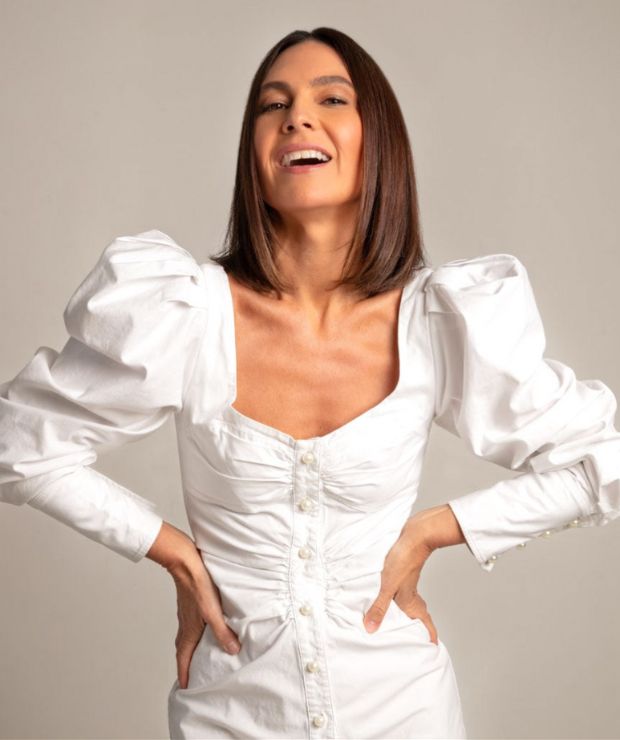
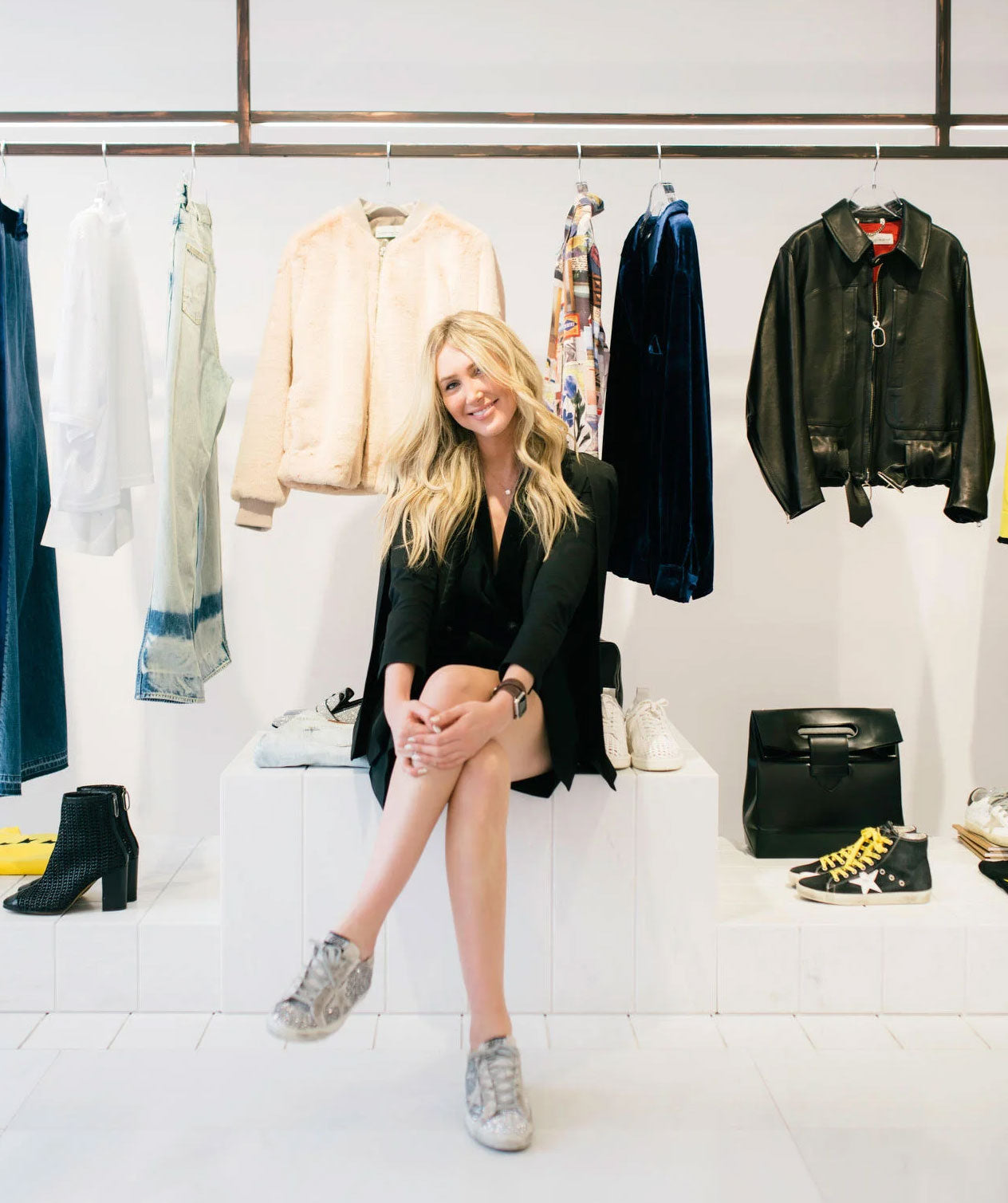
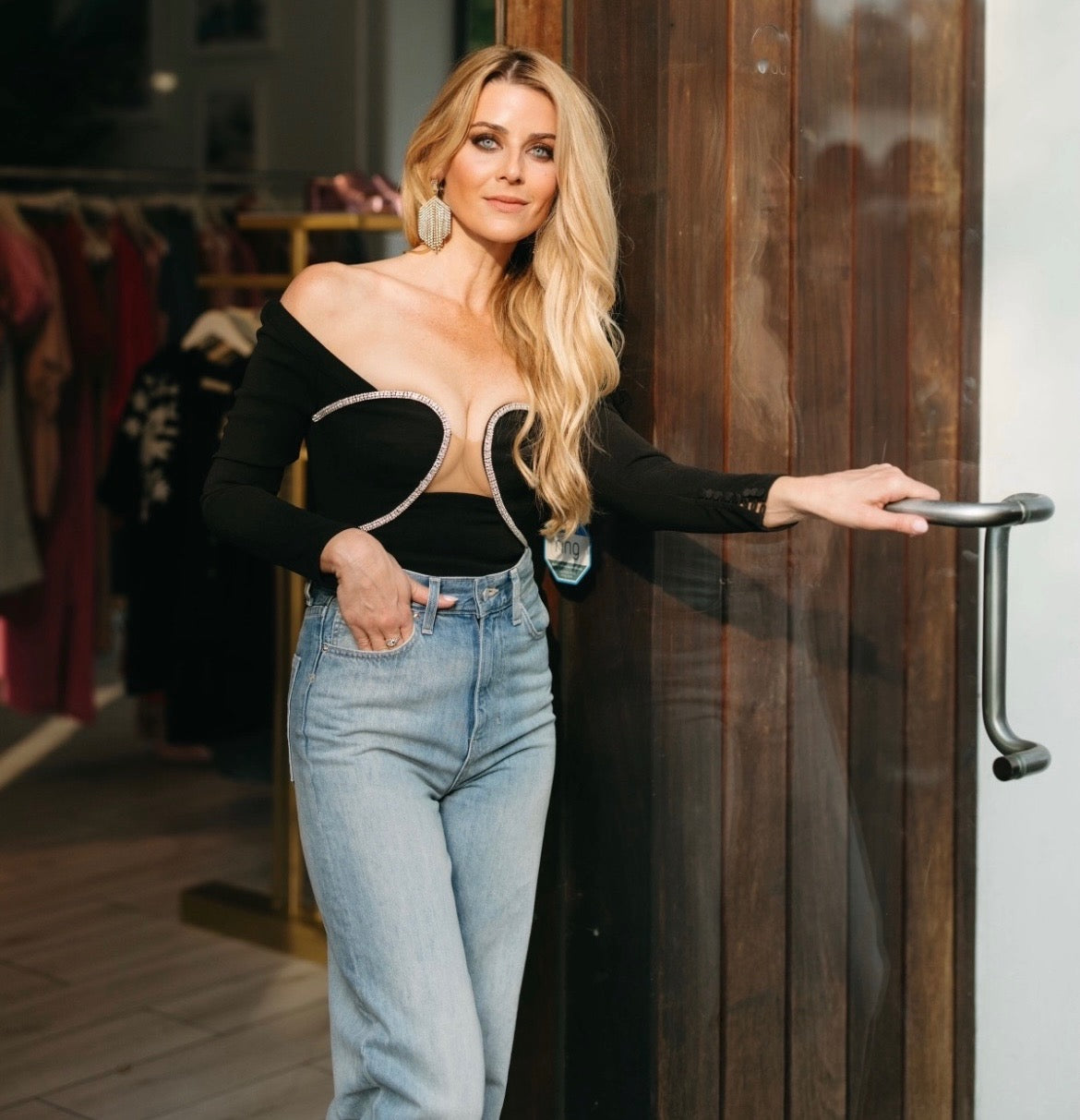
Photos courtesy Pashman's Instagram, @noblepashstyles.
Featured Stylist: Emily Noble Pashman
With 20 years of experience in fashion, including roles with New York design houses Donna Karan and Theory, Emily Pashman helps time-crunched executives refine their wardrobes with ease. Her approach is fast, efficient, and tailored, creating polished looks that feel effortless yet powerful. Whether clients need a complete reset or a simple refresh, Emily makes personal style feel simple and attainable. Book with Emily.
Frequently Asked Questions Before Hiring A Personal Stylist
1. What Is the Difference Between a Personal Shopper and a Personal Stylist?
A personal shopper primarily helps you find and purchase clothing, often within a particular retailer or selection of brands. A personal stylist takes a broader approach, considering your lifestyle, existing wardrobe, personal taste, budget, and style goals. Rather than simply sourcing individual pieces, a stylist helps you build a cohesive wardrobe and understand how to wear it.
2. Why Pay for a Personal Stylist When Some Retailers Offer Personal Shopping for Free?
Retailers offer complimentary personal shopping as part of the shopping experience, with the goal of helping customers find and purchase their merchandise. A personal stylist, on the other hand, works for you—not a particular store or brand. You're paying for the expertise behind the recommendations: understanding your lifestyle, assessing your existing wardrobe, researching options across brands and price points, and identifying pieces that work together. The goal isn't simply to help you buy more clothes, but to make more intentional choices and build a wardrobe that works for your life.
3. Is Hiring a Personal Stylist Worth It?
For someone who feels overwhelmed by shopping, struggles to put outfits together, or wants a wardrobe that better reflects their lifestyle, working with a personal stylist can be a worthwhile investment. You're getting more than shopping assistance: you're getting research, expertise, thoughtful recommendations, and an outside perspective. A good stylist can also help you avoid unnecessary purchases by making better use of what you already own.
4. Can I Work With a Personal Stylist Virtually?
Absolutely. Virtual personal styling makes professional styling accessible regardless of where you live. Depending on the service, the process may include virtual consultations, a review of your existing wardrobe, personalized shopping recommendations, outfit planning, and ongoing feedback. You can work with a stylist remotely while still receiving recommendations tailored to your personal style, lifestyle, fit preferences, and budget.